Introduction to Plastic Forceps
In the wound care industry, the use of plastic forceps has become increasingly prominent among medical professionals. These specialized instruments provide an essential tool for providers, ensuring effective handling of dressings and other materials while minimizing risk of contamination. This blog post explores the benefits of using plastic forceps, what to look for in quality options, and how to identify substandard products.
Benefits of Using Plastic Forceps
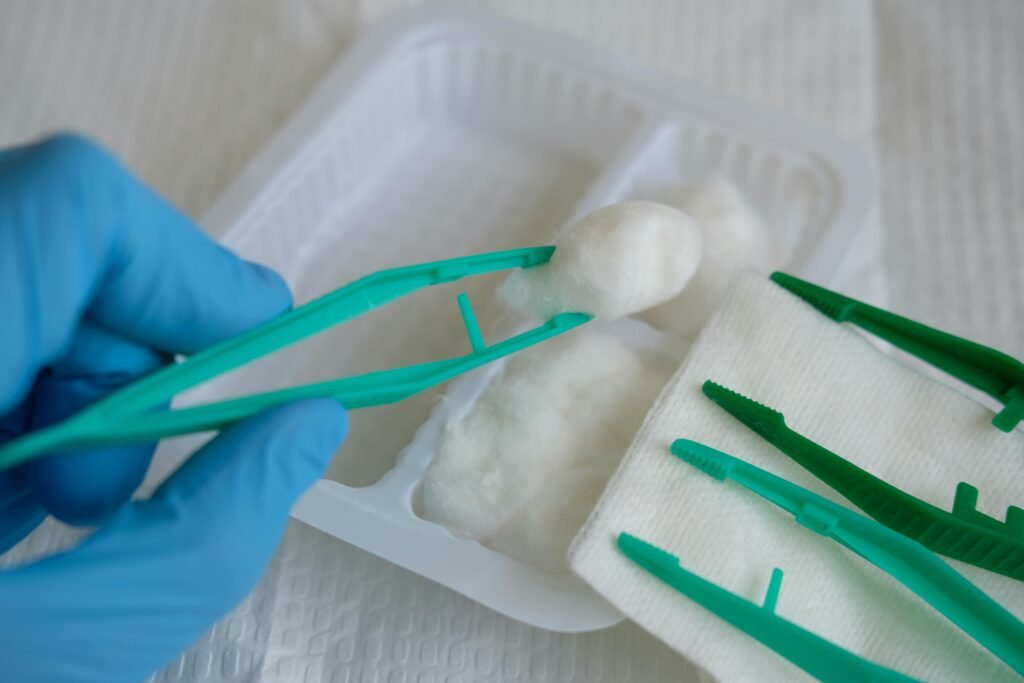
The primary advantage of plastic forceps in wound care lies in their lightweight design and non-reactive materials, which help prevent infection and irritation. Providers appreciate that they can easily manipulate gauze and dressings without compromising sterility. Additionally, plastic forceps are often disposable, making them a convenient choice for busy healthcare settings. This reduces the need for rigorous cleaning protocols compared to reusable metal options, allowing medical professionals to focus on providing patient care efficiently.
Choosing the Right Plastic Forceps
When selecting plastic forceps, important factors to consider include grip and flexibility. High-quality forceps should provide a secure hold without slipping, even when handling moist materials. Look for options with tapered tips for precision and ease while applying or removing wound dressings. Conversely, avoid products that feel flimsy or lack adequate gripping surfaces, as these may hinder efficient performance and increase the risk of mishandling sensitive wound care procedures. Sturdiness and comfort should always be prioritized to ensure that providers can deliver the best care.
Recommended by Wound Pros Supplies
The Disposable Sterile Forceps Tweezers (5-inch, 125mm) and the First Aid Plastic Tweezers are optimal choices for wound care professionals due to their convenience, hygiene, and versatility. Both options come in packs of 100, providing an ample supply for high-volume clinical settings. The sterile forceps are individually wrapped, ensuring infection control and patient safety during wound cleaning, dressing changes, or debridement. Made from durable yet lightweight plastic, they offer precise control without the risk of cross-contamination. Their disposable nature eliminates the need for sterilization between uses, saving time and reducing the risk of errors. Compared to other brands, these tweezers stand out for their consistent quality, cost-effectiveness, and versatility in both medical and non-medical environments, making them a reliable tool in any wound care toolkit.
Wound Pro Supplies is a proud affiliate with Amazon tailoring products to your needs in which we earn a commission for every product purchased using the recommended links without any additional charge to you as the customer.
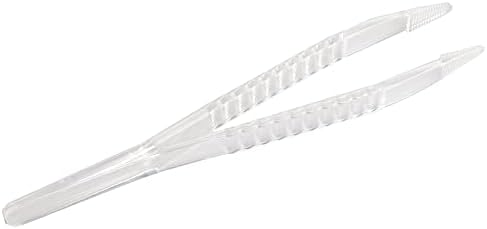
These 5-inch (125mm) disposable sterile forceps are designed for comfortable, one-handed use and offer excellent grip thanks to their corrugated handles, reducing the risk of slipping during procedures. Sterilized using EO with a sterility assurance level (SAL) of 10⁻⁶, they meet high safety and hygiene standards. The round serrated tips ensure that samples are held securely, improving efficiency and minimizing waste. Manufactured under ISO13485:2016 and ISO9001:2015 standards using USP Class VI and FDA-compliant materials, these forceps provide reliable quality and performance, making them ideal for precise, safe wound care applications.
These First Aid Plastic Tweezers come in a pack of 100 and are designed for durability, precision, and safe, single-use applications—making them an excellent choice for wound care professionals. Featuring tapered ends and serrated tips, they provide a solid grip and precise control for tasks like removing debris, handling dressings, or managing delicate wound care procedures. Made from sturdy, BPA-free plastic, they are safe for patients and ideal for maintaining hygiene in clinical settings. Their disposable design supports infection control protocols, while their versatility also makes them suitable for use in medical facilities, first-aid kits, school labs, and assisted living environments.